
Machine Type and Production Capacity
The first decision when shopping for a brick press machine is matching the equipment type to your production goals. Machines generally fall into three categories: hydraulic brick presses, mechanical brick presses, and mobile brick making machines. Hydraulic presses deliver high compression force and consistent density, making them ideal for producing interlocking bricks and pavers. Mechanical presses operate faster but may require more frequent maintenance. Mobile units offer flexibility for on-site production, reducing material transport costs.
Production capacity is measured in bricks per hour or per shift. Small-scale operations may need 2,000 to 5,000 bricks per day, while medium to large projects demand 10,000 or more. Always calculate your target output based on project timelines and labor availability. Overbuying capacity ties up capital; underbuying creates bottlenecks. A reliable manufacturer like Block Machine Lontto offers a range of hydraulic and mobile presses to match different throughput requirements.
Raw Material Compatibility
Not all brick press machines handle every material equally. Common inputs include cement, sand, gravel, crushed stone, fly ash, and quarry dust. Compressed earth block machines, a subset of brick presses, work with stabilized soil mixed with a small percentage of cement or lime.
Check the machine's hopper design, mixing system, and mold compatibility before purchase. Some machines require pre-mixed materials with specific moisture content, while others integrate a mixer. Ask the manufacturer for a list of tested material formulas. This ensures your local raw materials produce bricks that meet compressive strength standards. Machines with adjustable pressure settings offer more flexibility when switching between material blends.
Brick Dimensions and Mold Versatility
Construction projects demand bricks in various sizes and shapes. Standard blocks, hollow blocks, interlocking pavers, and curbstones each require distinct molds. A good brick press machine accepts interchangeable molds without extensive downtime.
Consider the mold change mechanism. Quick-change systems allow a single operator to swap molds in minutes, while older designs may require tools and multiple workers. Also verify the maximum brick size the machine can produce. Larger bricks reduce laying time on site but require higher pressing force. If your business serves multiple customer segments, mold versatility directly affects your return on investment.
Automation Level and Labor Requirements
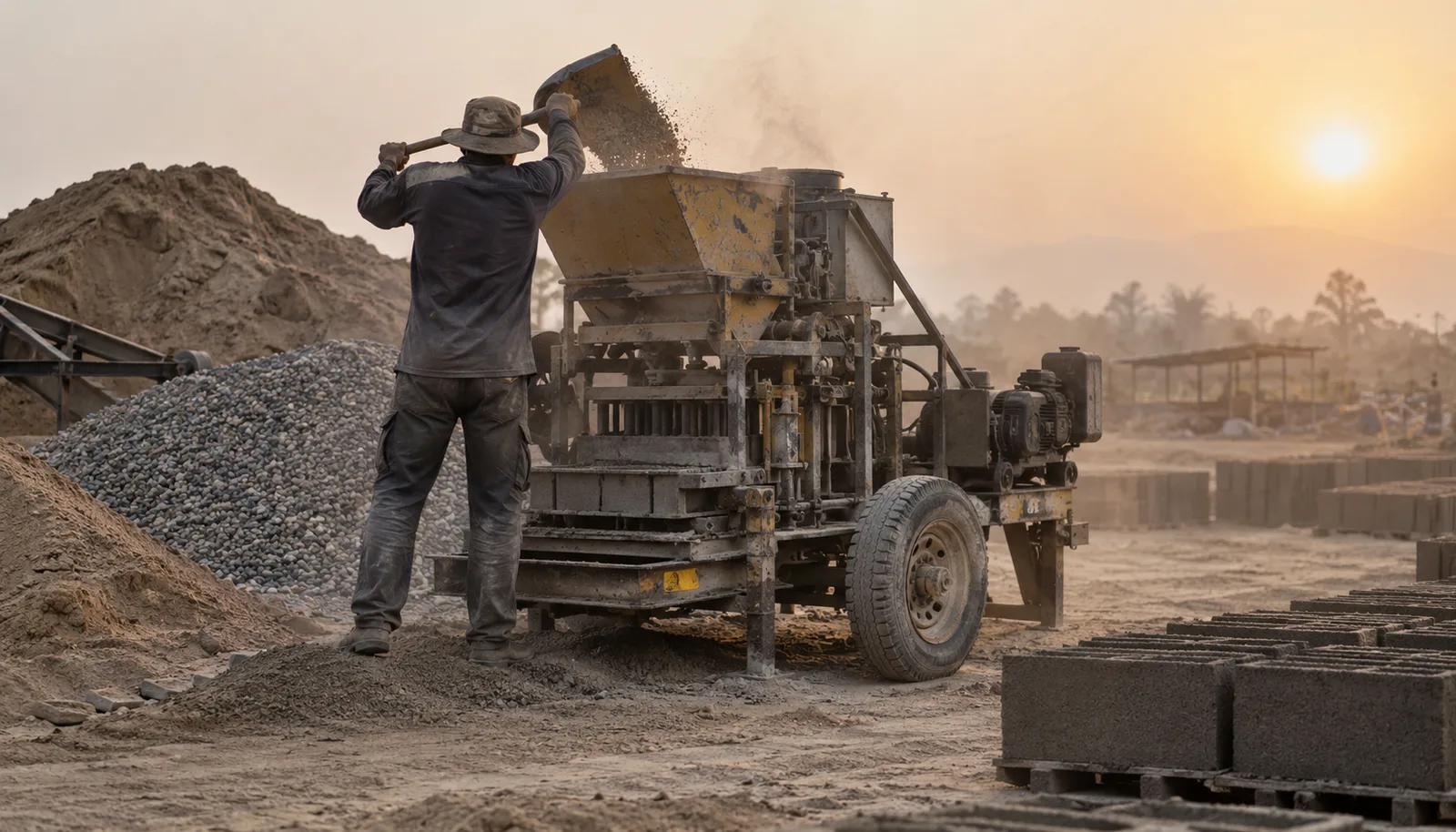
Brick press machines range from fully manual to fully automatic. Manual machines require operators to feed material, press bricks, and remove them by hand. Semi-automatic models mechanize the pressing cycle but still need workers for loading and stacking. Fully automatic lines include conveyors, automatic stackers, and PLC control systems that manage the entire production process with minimal labor.
Your choice depends on local labor costs and skill availability. In markets with low labor costs, semi-automatic machines offer a good balance of price and productivity. Where labor is expensive or hard to find, automation pays for itself through consistent output and reduced turnover. Remember that more automation also means higher upfront cost and greater technical skill requirements for maintenance.
Power Requirements and Energy Efficiency
Brick press machines consume significant electricity, especially hydraulic models with high-pressure pumps. Before purchasing, check the machine's motor power rating and total installed capacity. Compare this against your facility's electrical supply. Three-phase power is standard for industrial machines, but some smaller units run on single-phase.
Energy efficiency varies by design. Modern machines use servo-driven pumps that draw power only during the pressing cycle, cutting electricity use by 30 to 50 percent compared to older fixed-speed pumps. Ask for energy consumption data per 1,000 bricks. Over a machine's lifespan, energy costs often exceed the purchase price, making efficiency a critical financial factor.
Durability and Build Quality
A brick press machine is a long-term investment. Examine the construction materials: the frame should be heavy-duty steel, preferably welded and stress-relieved. Hydraulic components from reputable brands such as Rexroth or Parker indicate higher reliability. Check the thickness of wear parts like mold liners and pressing plates.
Ask about the machine's track record in similar climates and conditions. Machines operating in dusty environments need proper sealing on bearings and electrical enclosures. Request references from other buyers who have run the same model for several years. A machine that requires frequent part replacement quickly erodes profit margins.
After-Sales Support and Spare Parts Availability
Even the best-built machines need occasional repairs. Evaluate the manufacturer's spare parts network. Are common wear items stocked locally, or must they be shipped from overseas? Lead times of weeks or months can halt production entirely.
Check whether the manufacturer provides installation supervision, operator training, and remote technical support. Some companies offer annual maintenance contracts that include inspections and priority service. A lower machine price loses its appeal if you cannot get timely support when something breaks. Established manufacturers with a global service network provide greater peace of mind.
Warranty Terms and Coverage
Warranty policies vary widely in the brick press machine industry. Standard warranties cover manufacturing defects for one to two years, but the details matter. Some warranties exclude wear parts like molds, seals, and hydraulic hoses. Others require that all maintenance be performed by authorized technicians to keep coverage valid.
Read the warranty document carefully before signing. Ask what percentage of repair costs are covered and whether the manufacturer pays for shipping replacement parts. Extended warranties are available from some manufacturers and may be worth the cost for high-production operations.
Price vs. Total Cost of Ownership
The purchase price is only one component of the total cost of ownership. A cheaper machine may consume more energy, break down more often, and produce lower-quality bricks that require additional handling. Calculate the cost per brick over a five-year period, factoring in:
- Purchase price and financing costs
- Energy consumption
- Spare parts and maintenance
- Labor per shift
- Expected brick rejection rate
A mid-priced machine with good efficiency and reliable support often delivers the lowest total cost. Get quotes from at least three manufacturers and compare them on a standardized production scenario.
Manufacturer Reputation and Industry Experience
Finally, consider the manufacturer's history and reputation. How long have they been in business? Do they specialize in brick making machinery or is it just one product line among many? A company with decades of focused experience understands real-world production challenges.
A machine that requires frequent part replacement quickly erodes profit margins.
Check independent reviews, industry forums, and trade show participation. Manufacturers who exhibit internationally and maintain a strong online presence are generally more accountable. Ask for a factory visit or virtual tour to see quality control processes firsthand. The right manufacturer becomes a long-term partner in your business growth, not just a vendor.
Choosing the right brick press machine requires balancing production needs, material compatibility, automation level, and long-term operating costs. By evaluating these ten factors systematically, you can select equipment that delivers consistent quality, reliable performance, and strong return on investment for years to come.