
Master Your Pre-Production Documentation
The speed of a quick turn PCB order is largely determined before the first board is ever fabricated. Proper preparation eliminates back-and-forth communication and ensures your project moves smoothly through the manufacturing pipeline.
1. Submit complete and accurate design files. A comprehensive design package is the foundation of a fast turnaround. This includes Gerber files (RS-274X), drill files, and a board outline drawing. Clearly naming layers according to standards like IPC-2581 helps manufacturers quickly identify copper layers, ground planes, and mask layers. A missing layer or ambiguous instruction can halt production while the engineering team seeks clarification. Providing a single, consolidated package rather than multiple revisions prevents confusion and keeps your order moving forward.
2. Provide a detailed bill of materials. A comprehensive BOM is the roadmap for your project. It should list every component with manufacturer part numbers, quantities per board, and approved alternatives. Lead times vary significantly between standard passive components and specialized ICs. Flagging long-lead items early allows the manufacturer to pre-order them, integrating procurement with the fabrication timeline. Specifying RoHS or REACH compliance requirements upfront avoids testing delays. When you outsource a quick turn pcb, the clarity of your initial documentation dictates the speed of your entire project.
Choose Your Materials and Design Wisely
The choices you make during the design phase have a direct impact on fabrication speed. A design optimized for rapid manufacturing can cut days off your lead time.
3. Standardize material selections. Base material choice is a critical factor in turn time. Standard FR-4 (Tg 130-140°C) is usually in stock. High-Tg materials or polyimide films may need to be ordered. Sticking to standard board thicknesses (0.8mm, 1.6mm) and copper weights (1oz) keeps your order on a standard production path. Surface finish specifications, such as standard lead-free HALT or RoHS-compliant finishes, should be clearly noted. Choosing materials that meet UL 94 flammability classifications from the start eliminates the need for last-minute re-qualification.
4. Design for manufacturing from the start. DFM is about reducing friction in the manufacturing process. This means observing minimum annular ring sizes, avoiding large copper masses that can cause delamination, and ensuring proper trace-to-edge clearances. Designing for panelization allows multiple boards to be fabricated on a single production panel, maximizing the efficiency of the automated assembly lines. A simple DFM check before submission can save a full day of engineering review.
Leverage Efficient Production and Testing
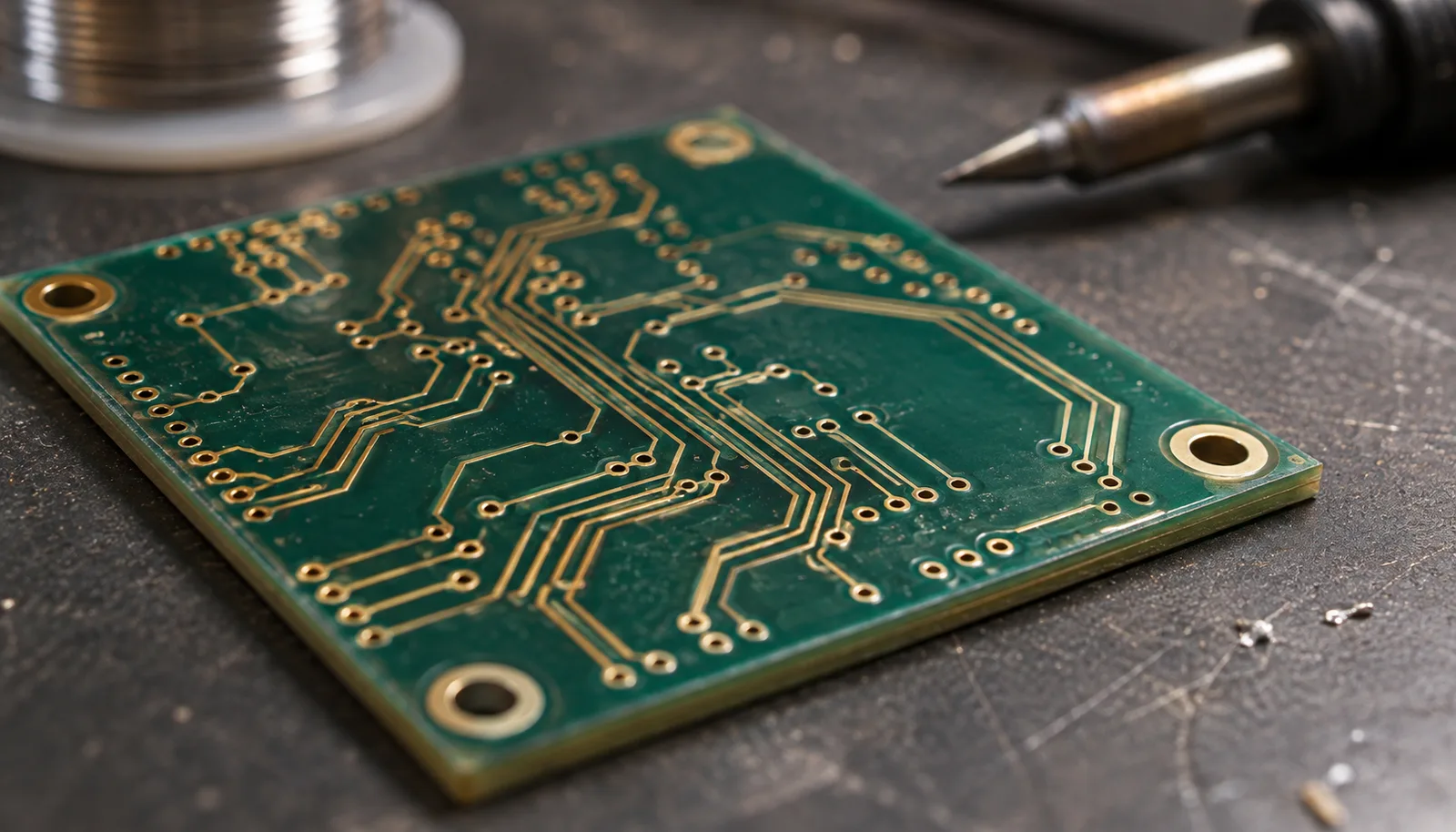
Once your order enters production, specific processes can make or break your delivery schedule. Efficient testing and assembly strategies are crucial for maintaining momentum.
5. Leverage automated inspection and testing. Testing is not just a quality step; it is a speed tool. Automated Optical Inspection (AOI) scans boards at high speed for surface defects. Flying probe testers check electrical connectivity without needing a custom bed-of-nails fixture, which is particularly effective for high-mix, low-volume runs. For multi-layer boards, X-ray inspection verifies internal alignment. Integrating these tests early in the production flow means defects are caught before value-added assembly steps, preventing costly and time-consuming rework loops.
6. Optimize assembly and turnkey services. Turnkey assembly consolidates your supply chain. Instead of managing separate vendors for PCB fabrication, component sourcing, SMT assembly, and box build, a single partner handles everything. This eliminates the transit time and communication overhead between multiple suppliers. Consignment kitting, where the manufacturer holds your components, can further accelerate the transition from bare board to finished product.
Streamline Communication and Logistics
The final piece of the speed puzzle relies on human factors and supply chain management. Efficient communication bridges the gap between design intent and manufacturing reality.
7. Maintain clear and rapid communication. Communication is the glue that holds a quick turn project together. Assigning a single project manager on both sides streamlines decision-making. Using a structured DFM report format allows engineers to quickly approve or modify designs. OurPCB, with its US-based sales office in Sierra Madre, California, and manufacturing facility in Hebei, China, provides a seamless bridge between time zones. This structure allows for design reviews during the US business day and fabrication progress overnight. Prompt responses to engineering queries, ideally within a few hours, can compress the overall timeline by days. Establishing a shared project management platform or a simple daily status update can further eliminate bottlenecks and keep all stakeholders aligned.
Getting started is straightforward. Simply email your design files to info@ourpcb.com to receive a detailed quote and turnaround timeline. Our team is ready to review your project and provide a schedule tailored to your specific requirements.