
What Is Kovar and Why It Matters
Kovar is a nickel-cobalt-iron alloy known for its unique thermal expansion properties that closely match borosilicate glass and certain ceramics. This characteristic makes it indispensable for glass-to-metal seals in vacuum tubes, electronic components, and aerospace assemblies. Unlike standard metals such as aluminum or steel, Kovar maintains dimensional stability across a wide temperature range, which is critical when components must survive repeated heating and cooling cycles without cracking the glass or ceramic interface. For engineers and procurement specialists evaluating Kovar machining services, understanding how this specialty alloy differs from conventional materials is the first step toward selecting the right manufacturing partner.
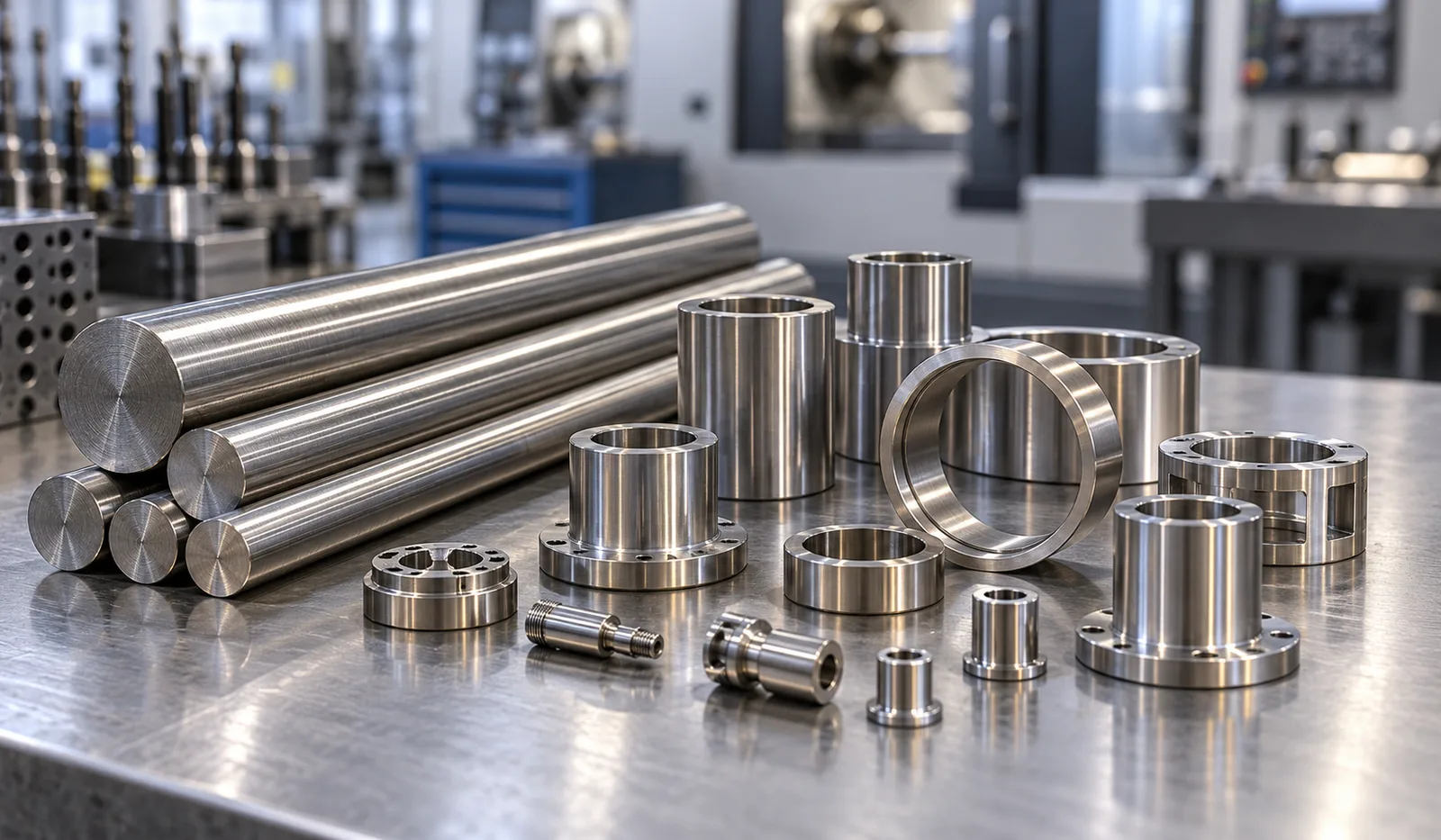
Material Properties That Set Kovar Apart
Standard metals like stainless steel or aluminum expand at rates that are incompatible with glass and ceramic bonding. Kovar’s coefficient of thermal expansion (CTE) is engineered to match that of borosilicate glass at approximately 5.0 x 10⁻⁶ per degree Celsius over a range from room temperature to about 450 °C. This controlled expansion prevents stress fractures in sealed assemblies, a failure mode that can destroy an electronic component or vacuum system.
In addition to thermal behavior, Kovar offers good magnetic permeability, making it suitable for applications where magnetic interference must be minimized. It also resists oxidation at elevated temperatures when properly coated or plated. Standard metals, by contrast, are selected primarily for strength, weight, or cost — not for thermal compatibility with non-metallic materials. This fundamental difference means that a part designed in Kovar cannot simply be substituted with a common metal without redesigning the entire assembly.
Machining Challenges Requiring Specialized Expertise
Kovar is significantly harder and more abrasive on cutting tools than aluminum or mild steel. Its work-hardening tendency demands slow, controlled feeds and speeds to avoid surface tearing or micro-cracking. Coolant selection and flow rate become more critical because localized heat can alter the alloy’s microstructure and compromise its thermal expansion behavior.
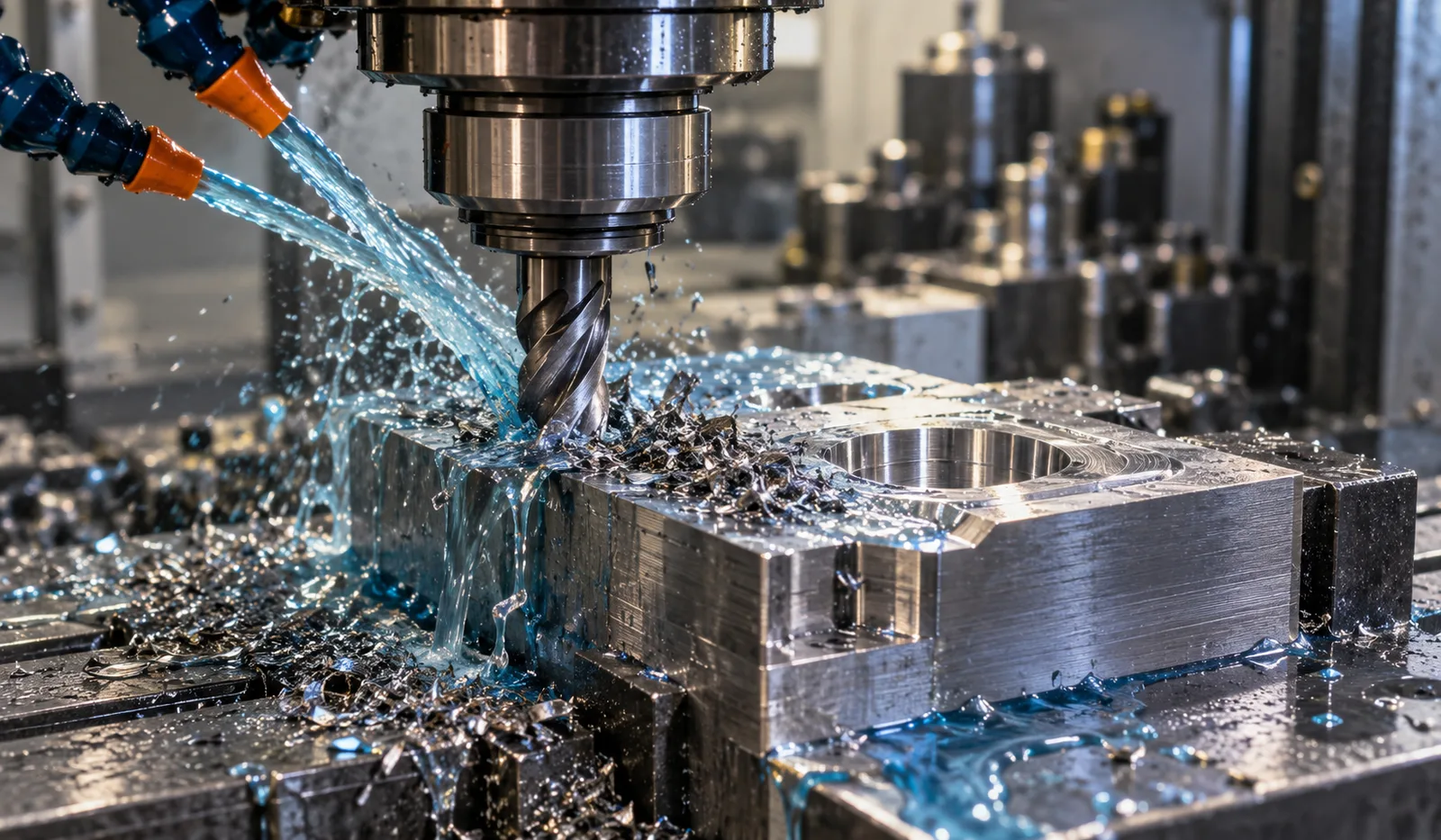
Precision CNC machining of Kovar typically requires:
- Carbide or diamond-coated tooling to withstand the alloy’s abrasiveness
- Rigid machine setups to minimize vibration and maintain tolerances down to ±0.003 mm
- Advanced CAM programming that accounts for the material’s spring-back and chip-breaking characteristics
- Post-machining stress relief to ensure dimensional stability in the finished part
These requirements are well beyond what a general machine shop can deliver. A provider with dedicated experience in Kovar machining services will have documented processes for tool wear monitoring, coolant management, and inspection protocols that standard metal shops rarely need.
Where Kovar Components Deliver the Most Value
Kovar is not a cost-effective choice for every project. For structural brackets, enclosures, or high-volume consumer parts, standard metals are more economical. Kovar earns its place in applications where a hermetic seal between metal and glass or ceramic is non-negotiable. Typical uses include:
- High-power vacuum tube electrodes and connectors
- Fiber-optic component housings and feedthroughs
- Infrared sensor windows and cryogenic device interfaces
- Aerospace pressure sensors and ignition system parts
In these environments, the cost of a single seal failure — lost vacuum, contamination, or catastrophic part failure — far outweighs the premium for specialized Kovar machining services. Manufacturers in automotive, energy, and medical sectors routinely specify Kovar for mission-critical subassemblies.
Choosing a Precision Partner for Kovar Machining Services
Selecting a CNC machining provider for Kovar projects requires more than a generic RFQ. Look for a shop that holds ISO 9001 and IATF 16949 certifications, operates a fleet of multi-axis machines with rigid construction, and demonstrates a track record with difficult-to-machine alloys. The partner should offer design-for-manufacturability feedback specific to Kovar, including recommendations on radii, wall thickness, and plating allowances.
One such provider is XTJ CNC, a precision manufacturer with over 20 years of experience and more than 120 advanced CNC machines. Their facility handles Kovar alongside other demanding materials, offering tolerances down to ±0.003 mm, no minimum order quantities, and rapid prototyping in as little as five days. By combining metallurgical knowledge with rigorous quality control, they help clients avoid the hidden costs of rework and field failures that can arise when Kovar is machined without the proper expertise.
For engineers and sourcing teams evaluating Kovar machining services, the decision ultimately comes down to matching material properties with process capability. Standard metals are forgiving; Kovar is not. Working with a partner that understands the alloy’s thermal, mechanical, and machining behavior ensures that the final components perform reliably in the demanding environments where Kovar is most needed.