
Urban environments are constantly evolving as populations grow and communities change.
In this context, collaborative design approaches are becoming increasingly important.
By involving communities in shaping their environments, cities can develop spaces that are more inclusive, adaptable, and resilient.
Technology and Participation
Digital tools are making it easier than ever for communities to participate in design processes.
Online surveys, interactive mapping platforms, and virtual workshops allow residents to share ideas and feedback regardless of their location.
These technologies expand participation and ensure that more voices are heard.
Inclusive Design Practices
Modern collaborative design emphasises inclusivity.
Projects increasingly consider the needs of diverse groups including children, elderly residents, and people with disabilities.
Design solutions that accommodate a wide range of users create more accessible and welcoming environments.
Building Resilient Communities
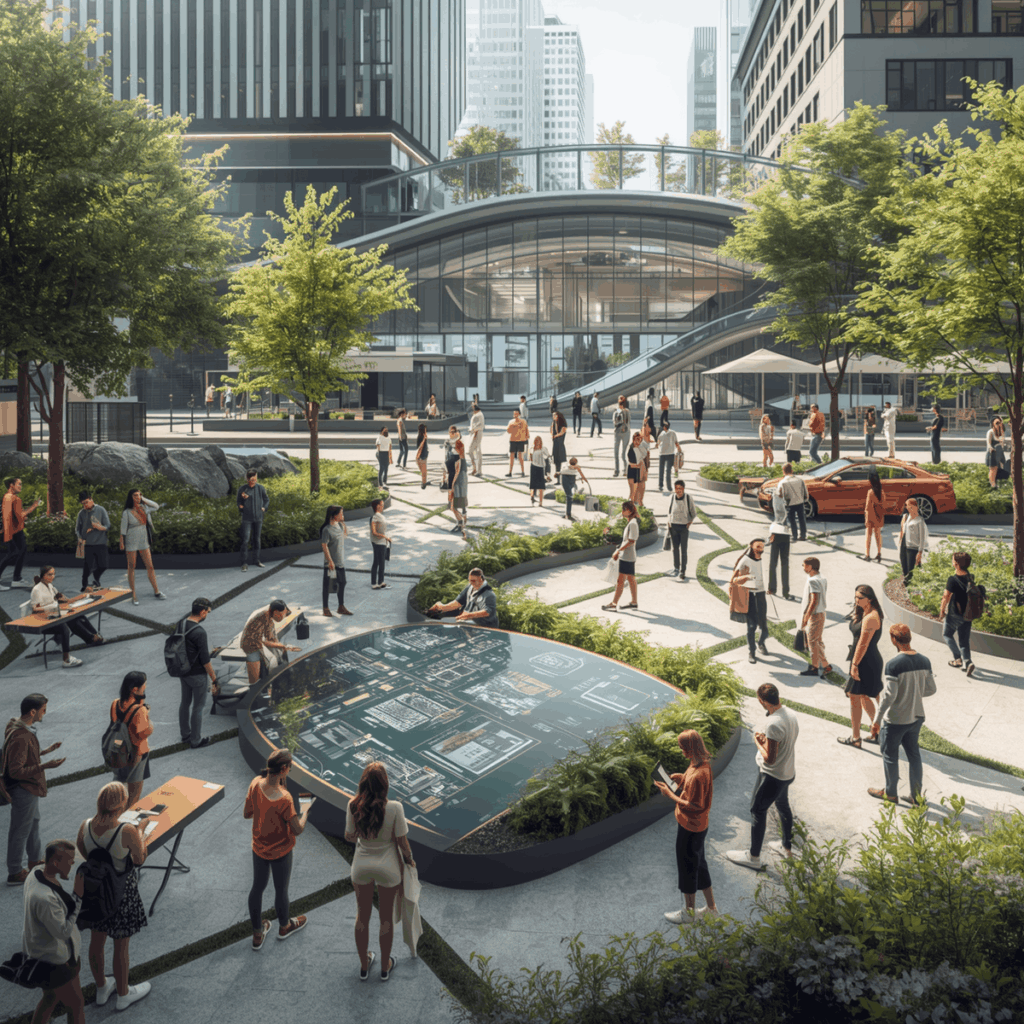
Collaborative design does more than improve physical spaces—it helps communities build resilience.
By participating in decision-making processes, residents develop skills, confidence, and networks that strengthen their ability to respond to future challenges.
Comments are closed.