
Introduction
Industrial inkjet printing systems rely on precision filtration to protect printheads that can contain more than 1,000 individual nozzles per unit. Printhead clogging is a documented primary maintenance issue in these systems, and stable jetting depends on internal structures that suppress ink precipitation. The choice between an inkjet ink filter and a standard industrial filter directly affects print quality, equipment lifespan, and operational uptime.
An inkjet ink filter is a specialised filtration device installed in digital ink supply systems to remove particulate contamination before ink reaches the printhead. Unlike general-purpose filters, inkjet ink filters must balance particle retention with flow rate to prevent printhead starvation. Standard industrial filters, by contrast, prioritise dirt-holding capacity and flow for water or chemical processing. They may use melt-blown or string-wound depth media that lack the precision required for sensitive inkjet nozzles.
Pullner Filter, operating from its Jebel Ali Free Zone office in Dubai and manufacturing facilities in Shanghai, supplies filtration solutions for digital ink supply systems compatible with major printhead brands including Ricoh, Epson, Konica Minolta, and HP. Understanding the performance differences between inkjet-specific and standard filters helps operators make informed purchasing decisions.
Filtration Precision and Micron Ratings
The most significant difference lies in micron rating and particle retention. Inkjet printheads with 1,024 nozzles at 360 nozzles per inch density require absolute-rated filtration to prevent nozzle clogging. Standard nominal-rated filters may allow particles larger than the stated rating to pass, risking expensive printhead damage.
Pullner capsule filters for UV inkjet applications carry a 5-micron rating. Disc filters for solvent and UV printers use a 10-micrometre rating, and plotter filters also use 10-micrometre media. The PHFL High Flow Filter Cartridges are available in absolute micron ratings including 20 Micron Absolute, meaning they retain more than 98 percent of particles at that size. Standard industrial filters often range from 1 to over 100 microns, but inkjet filters cluster in the 5-to-20-micron absolute range specifically to protect nozzle arrays where individual orifices are spaced just 360th of an inch apart.
Flow Rate and Pressure Requirements
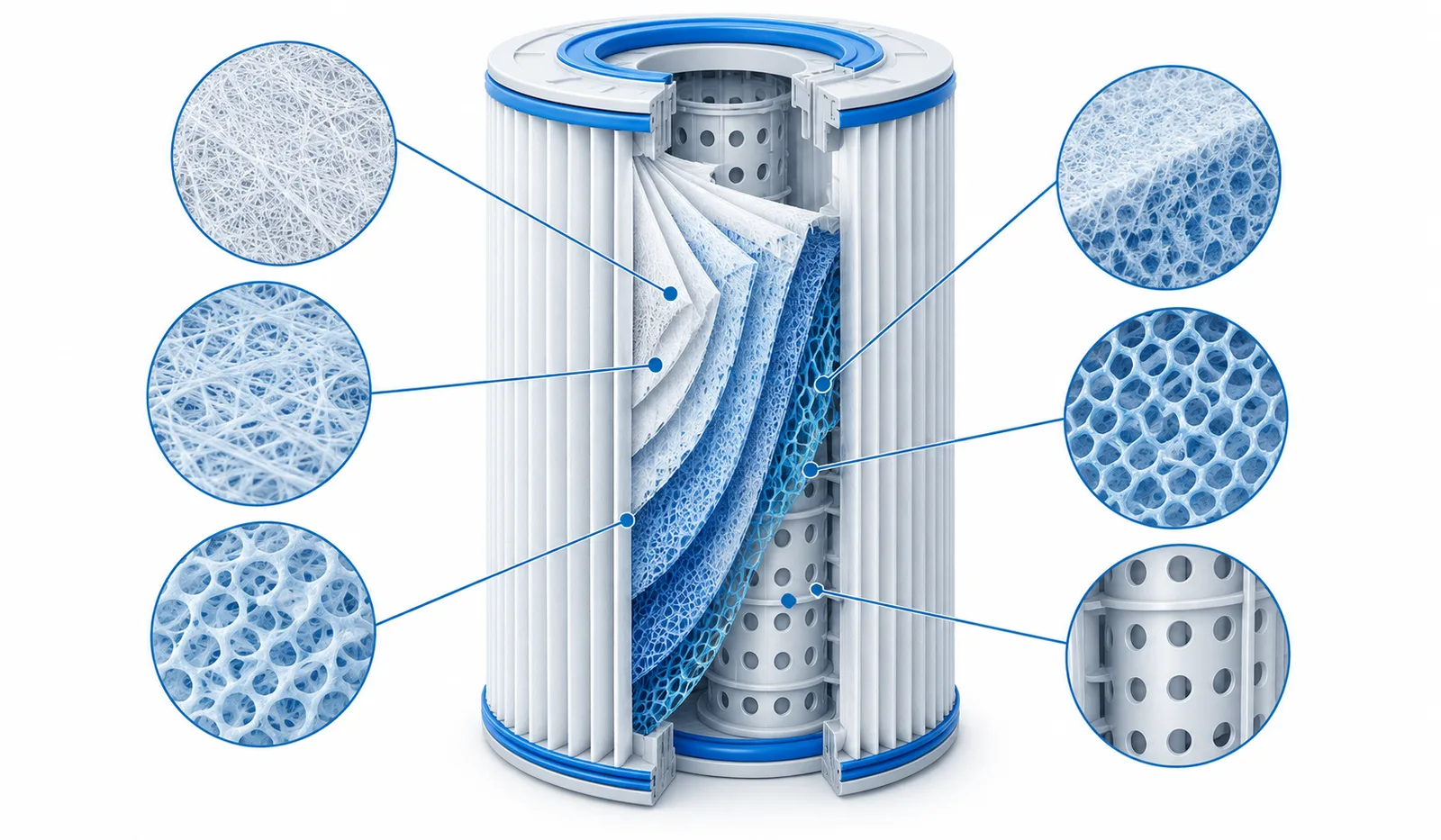
Inkjet ink filters use gradient pore structures to balance flow and service life. A polypropylene nano-fibre outer layer enables high flow rates while maintaining filtration efficiency. The maximum allowable pressure for Pullner capsule filters is 4.1 bar (60 PSI), with a maximum temperature of 50 °C (120 °F). These parameters are deliberately lower than those of standard industrial filters, which often operate at 10 bar or more, because inkjet systems must avoid printhead starvation.
The Konica Minolta KM1024i printhead series demonstrates the flow demands of modern industrial printing. The M-type head achieves line speeds of 47 metres per minute at 360 dpi, while the L-type reaches 68 metres per minute. Consistent ink flow through the filter is essential to maintain these speeds without pressure drops that could cause jetting inconsistencies. Pullner addresses this with capsule filters available in 200 ml, 300 ml, 400 ml, 500 ml, and 700 ml capacities, each with integrated air inlet and drain vent connections for proper priming.
Material Compatibility and Construction
Inkjet ink filters employ one-piece pleated filter cartridges that are thermal-welded without adhesive resins, eliminating the risk of chemical contamination leaching into the ink. All-polypropylene membrane construction ensures broad compatibility with most ink systems. Pullner also offers media in polyethersulfone, PTFE, nylon, PVDF, and stainless steel to match specific ink chemistries.
Standard filters for water treatment may use the same base polymers but lack ink-specific flow optimisation. String-wound or melt-blown depth media offer higher dirt-holding capacity but provide less precise particle retention. The thermal-welded construction of inkjet filters avoids the binders and resins found in many standard cartridges, which could react with solvent-based or UV-curable inks.
-
UV inks: Black capsule filters designed specifically for UV inkjet systems
-
Solvent inks: 10-micrometre disc filters compatible with solvent printers
-
Aqueous inks: Polypropylene membrane construction covers most water-based systems
-
Ceramic inks: Printhead circulation structures prevent heavy pigment precipitation
Service Life and Maintenance
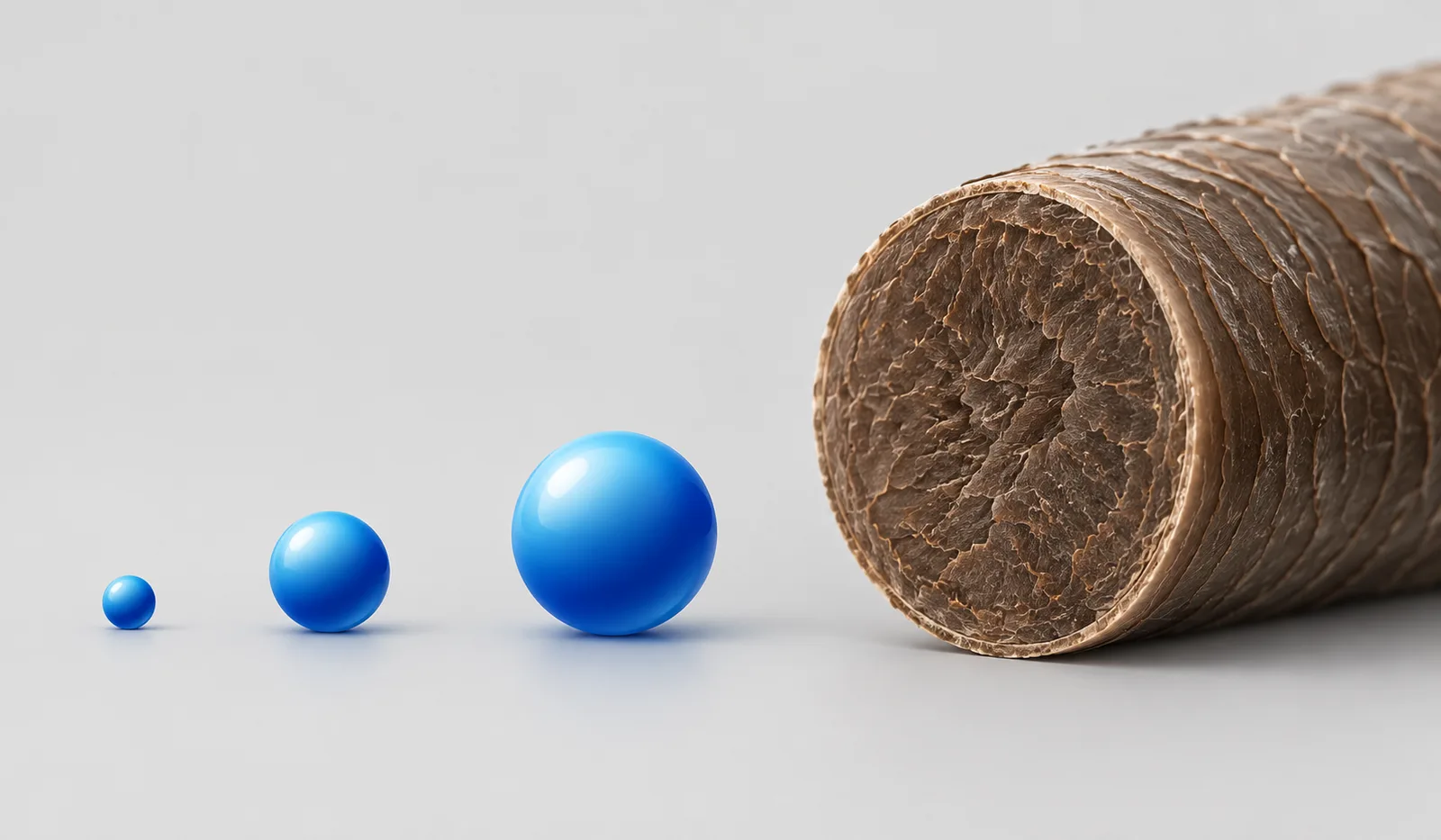
The gradient pore structure in inkjet filters extends service life while maintaining consistent flow.
Printhead clogging remains the primary maintenance issue in industrial inkjet systems. High-quality filtration prevents system failures that can halt production lines for hours. Standard filters, while effective for general particulate removal, are not optimised for the specific demands of inkjet printhead protection, where even a single oversized particle can block a nozzle and create visible print defects.
Choosing the right filter is not just about particle removal — it directly affects printhead lifespan, print quality, and operational uptime.
Final Recommendation
For industrial printing operations, selecting an inkjet ink filter over a standard industrial filter is essential for protecting sensitive printheads and maintaining consistent output quality. The key differences — absolute micron ratings, low-pressure flow optimisation, chemical compatibility with specific ink types, and thermal-welded adhesive-free construction — make inkjet-specific filters the correct choice for digital ink supply systems.
Pullner Filter, certified to ISO 9001 and ISO 45001 standards, offers a range of inkjet filtration products designed to meet the precise requirements of modern printheads. Its Jebel Ali Free Zone office, located within the DP World-managed free zone established in 1985, serves as a logistics hub for distribution across the Middle East, Africa, Asia, and Europe. For operations seeking to reduce maintenance costs and extend equipment life, investing in proper inkjet ink filtration is a straightforward decision that pays returns in every production run.