
Public space transformation is often associated with large-scale developments, significant funding, and long timelines. However, some of the most meaningful and lasting changes in urban environments begin with small, community-led initiatives.
These projects may start with a simple idea—a safer crossing, a shaded seating area, or a more welcoming park—but their impact can extend far beyond their initial scope.
The Power of Starting Small
Small community projects are often more achievable because they require fewer resources, less bureaucracy, and shorter timeframes.
This accessibility allows communities to take action without waiting for major funding or formal approvals. Instead of being stalled by complexity, communities can experiment, test ideas, and adapt quickly.
These early actions create momentum. Once people see visible improvements, they are more likely to get involved and contribute to future initiatives.
Building Confidence Through Action
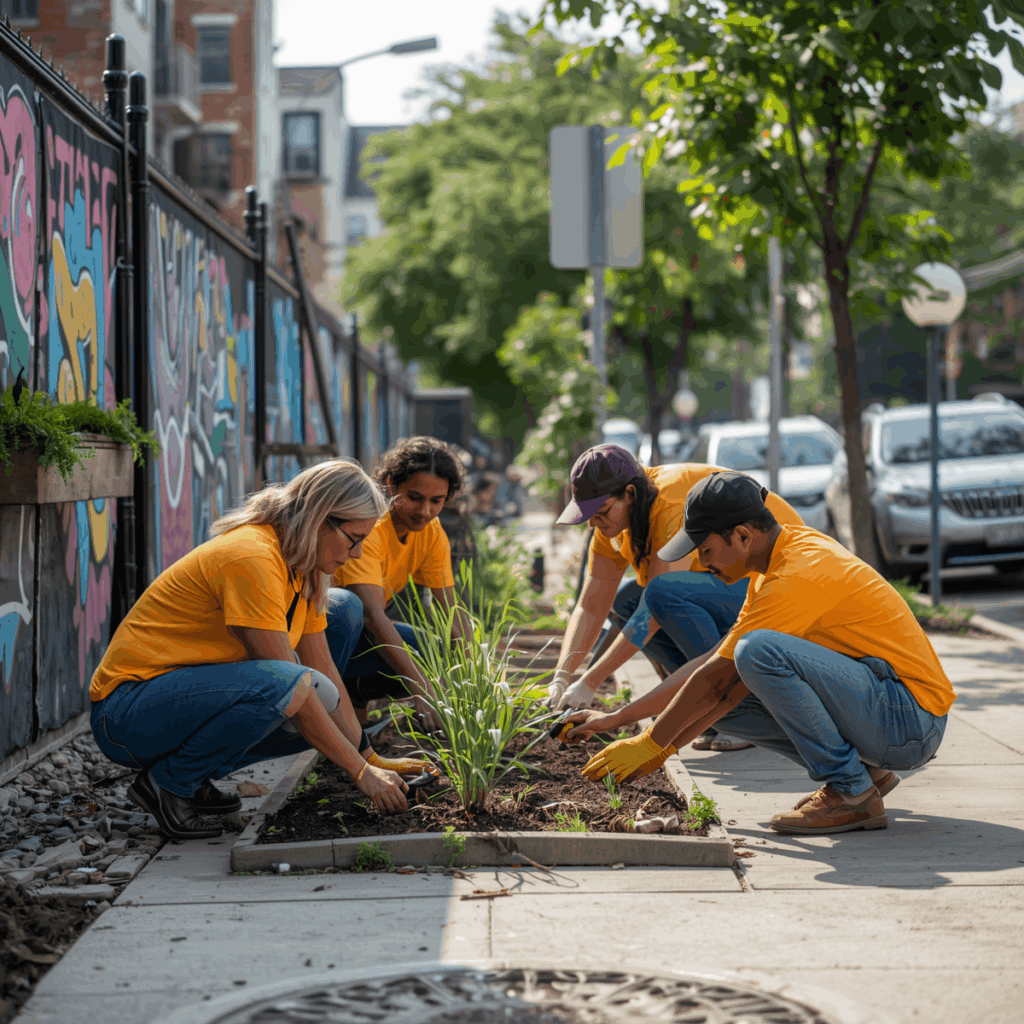
One of the most important outcomes of small-scale projects is the confidence they build within communities.
When residents successfully implement even minor improvements, it reinforces the belief that change is possible. This shift in mindset is critical.
Communities move from passive observers to active participants in shaping their environments.
Over time, this growing confidence can lead to more ambitious projects and stronger local leadership.
Creating Visible Impact Quickly
Unlike large infrastructure projects that may take years to complete, small interventions can deliver immediate results.
A temporary seating area, a painted pedestrian zone, or a community garden can instantly change how a space is used.
These visible improvements not only enhance the physical environment but also signal that the space is cared for and valued.
This can increase foot traffic, improve safety, and encourage further community activity.
Encouraging Collaboration and Participation
Small projects often rely on collaboration.
Residents, volunteers, local organisations, and sometimes councils come together to contribute their time, skills, and ideas.
This shared effort strengthens relationships within the community and fosters a sense of collective ownership.
Participation also ensures that projects reflect a diverse range of perspectives, leading to more inclusive outcomes.
Testing Ideas Before Scaling
One of the key advantages of small projects is their ability to act as prototypes.
Communities can trial ideas in real-world conditions before committing to permanent changes.
For example, a temporary street closure can help determine whether a pedestrian-friendly space would be successful. If the trial proves effective, it provides strong evidence to support more permanent investment.
This approach reduces risk and leads to more informed decision-making.
Strengthening Partnerships
As small projects gain traction, they often attract the attention of local governments, organisations, and potential funders.
Demonstrating initiative and success at a community level can open doors to new partnerships and resources.
These relationships can help scale projects, secure funding, and integrate community-led ideas into broader urban planning strategies.
Long-Term Community Benefits
While the physical improvements of small projects are important, the long-term benefits are often even more significant.
Communities develop:
- Stronger social connections
- Increased confidence in decision-making
- Practical skills in planning and implementation
- A greater sense of ownership over local spaces
These outcomes contribute to resilience, making communities better equipped to handle future challenges and opportunities.
From Small Steps to Systemic Change
Many large-scale urban improvements have their roots in small, experimental projects.
What begins as a temporary intervention can evolve into permanent infrastructure, policy changes, or new approaches to urban design.
By starting small, communities can influence larger systems and demonstrate alternative ways of shaping public spaces.
The Role of Codesign
Collaborative design plays a crucial role in ensuring that small projects are effective and meaningful.
By involving community members from the beginning, projects are more likely to reflect real needs and gain widespread support.
Codesign Studio supports these processes by providing structure, guidance, and expertise, helping communities move from ideas to action with confidence.
Conclusion
Small community projects are powerful catalysts for change.
They show that meaningful improvements do not always require large budgets or complex processes—just collaboration, creativity, and a willingness to take the first step.
By starting small, communities can create momentum, build confidence, and lay the foundation for larger, long-term transformation.